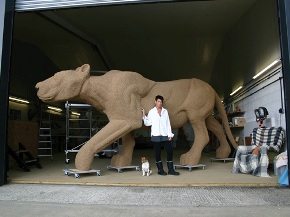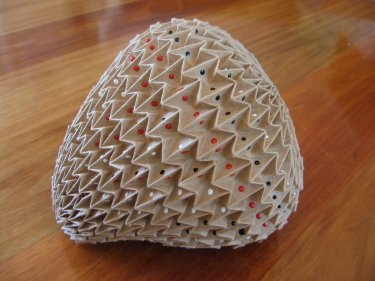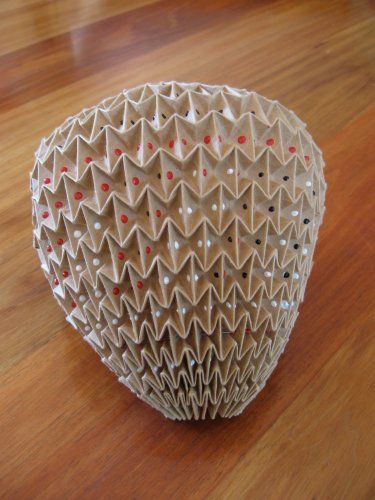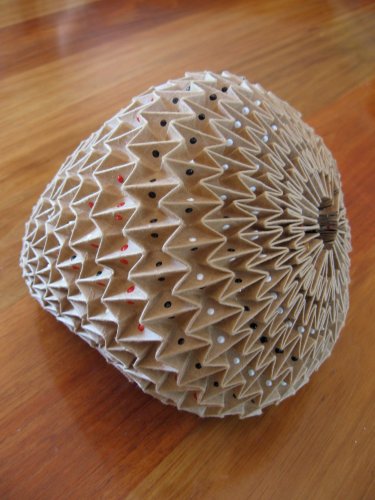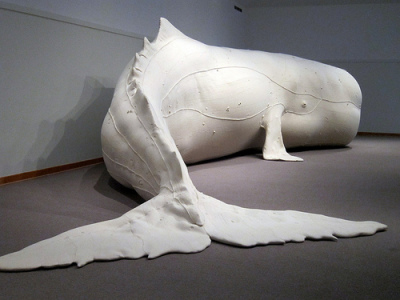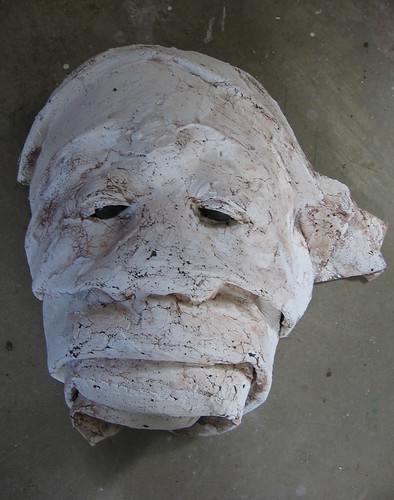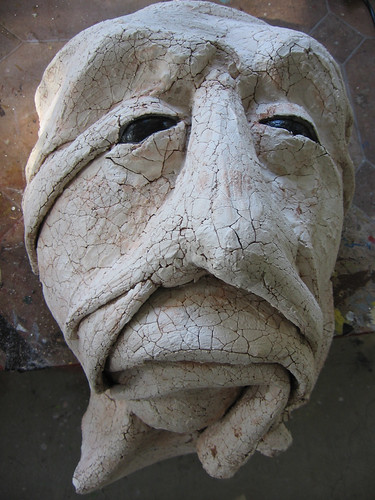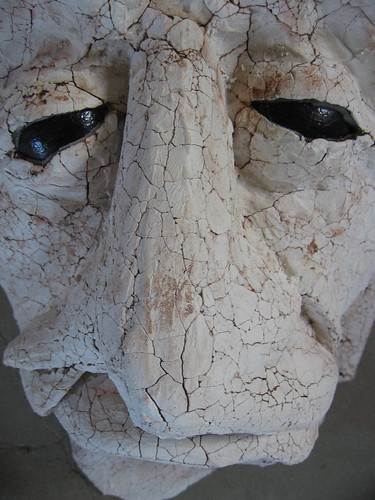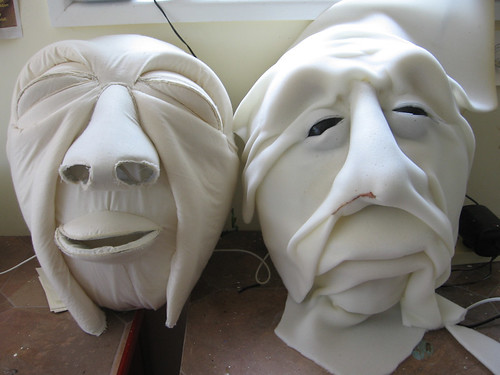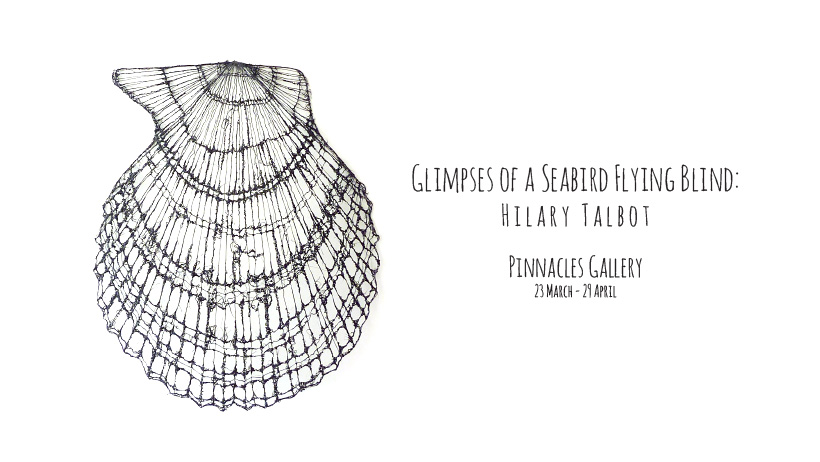
I’m really happy and excited that my first gallery exhibition, Glimpses of a Seabird Flying Blind is opening tomorrow, 23 March at the Pinnacles Gallery in Townsville, continuing through to 29 April! It represents almost a year of work, and a new direction for me. The work falls into several groups – The Piano Creatures, The Big Fish (Evangeline), the Shells and Cocoons, and the Secret Cabal of Elders, as well as a few other creatures in an imagined world:
On an imagined shoreline we see disruptions in the natural world. In the shallows are the ghosts of former shells, fragile and colonized or fossilized by synthetic substances. The Piano Creatures, evolved from the driftwood mechanisms of discarded instruments, pick their way across the sands carrying the promise of music and hope. In the deepest ocean a sightless blob fish sucks for sustenance and in the limitless sky the hollow-boned birds continue their daily feat of survival in newly changing times.
The patterns of disruption follow the age-old evolutionary law: diversify, select, adapt. The process is dynamic, relentless, wonderful and dispassionate; and acutely responsive to the footprint of humanity.
Using her experience in making puppets and sculptural forms, and interests in new materials and technologies, Hilary Talbot has created some of the inhabitants of this imagined future as a meditation on the tensions and challenges faced by society now.
I’d love you to drop in and see it if you happen to be up Townsville way in the next five weeks!
A huge thank you to my family, friends and colleagues for all their support, encouragement and enthusiasm and skills in helping me get this up, in particular to Anna Raupach, Tim Raupach, Alex Raupach, Wendy Quinn, Lelde Vitols, Lisa Styles, Imogen Keen, Robyn Campbell, Elizabeth Paterson, Bev Hogg, barb barnett, Chris Hahn, Steve Crossley, Caroline Stacey, Joe O’Connor, and the Pinnacles Gallery team.
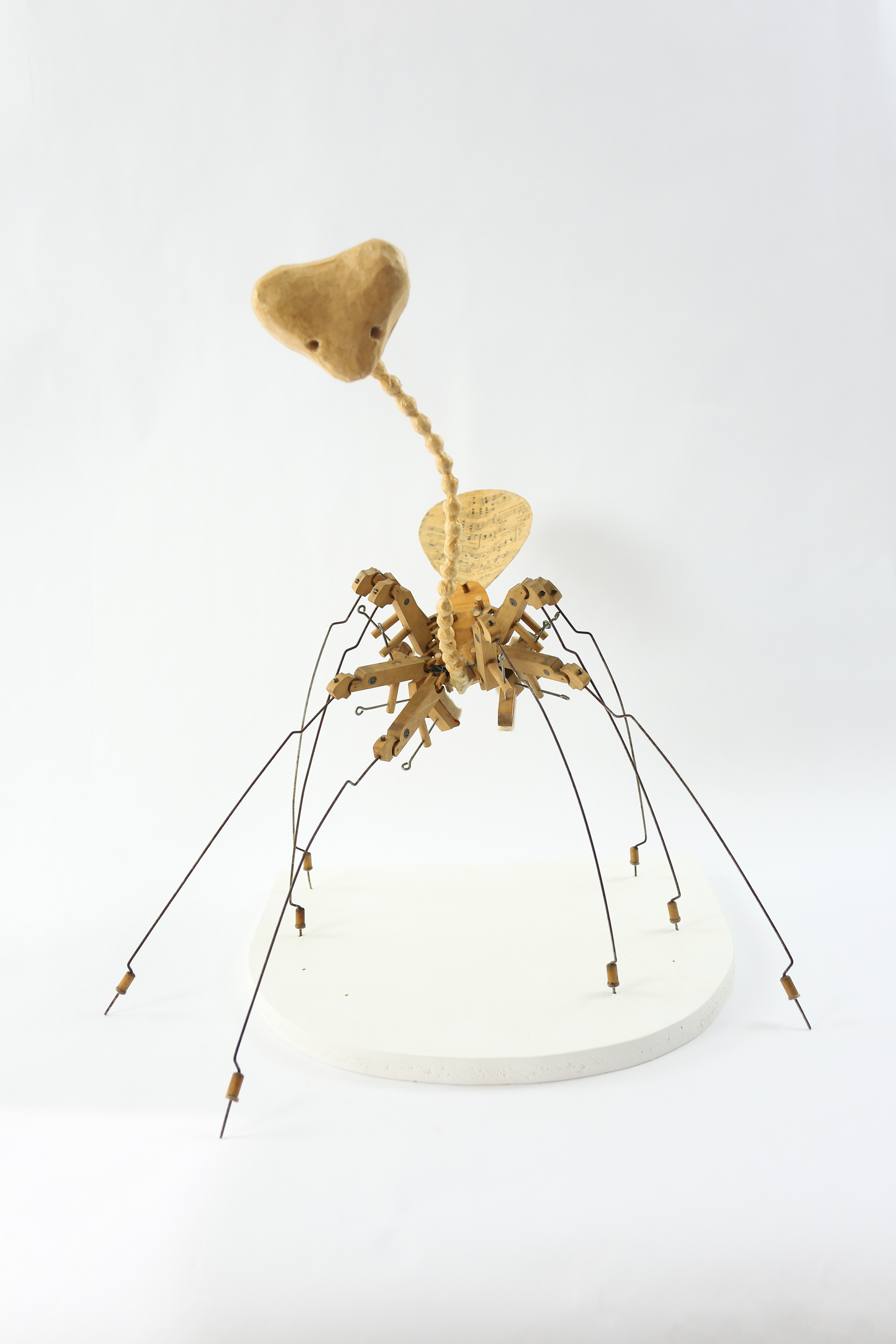
Piano Creature No.3. Piano mechanisms, balsa wood, paper mache; 55cm x 56cm x 60cm; 2010
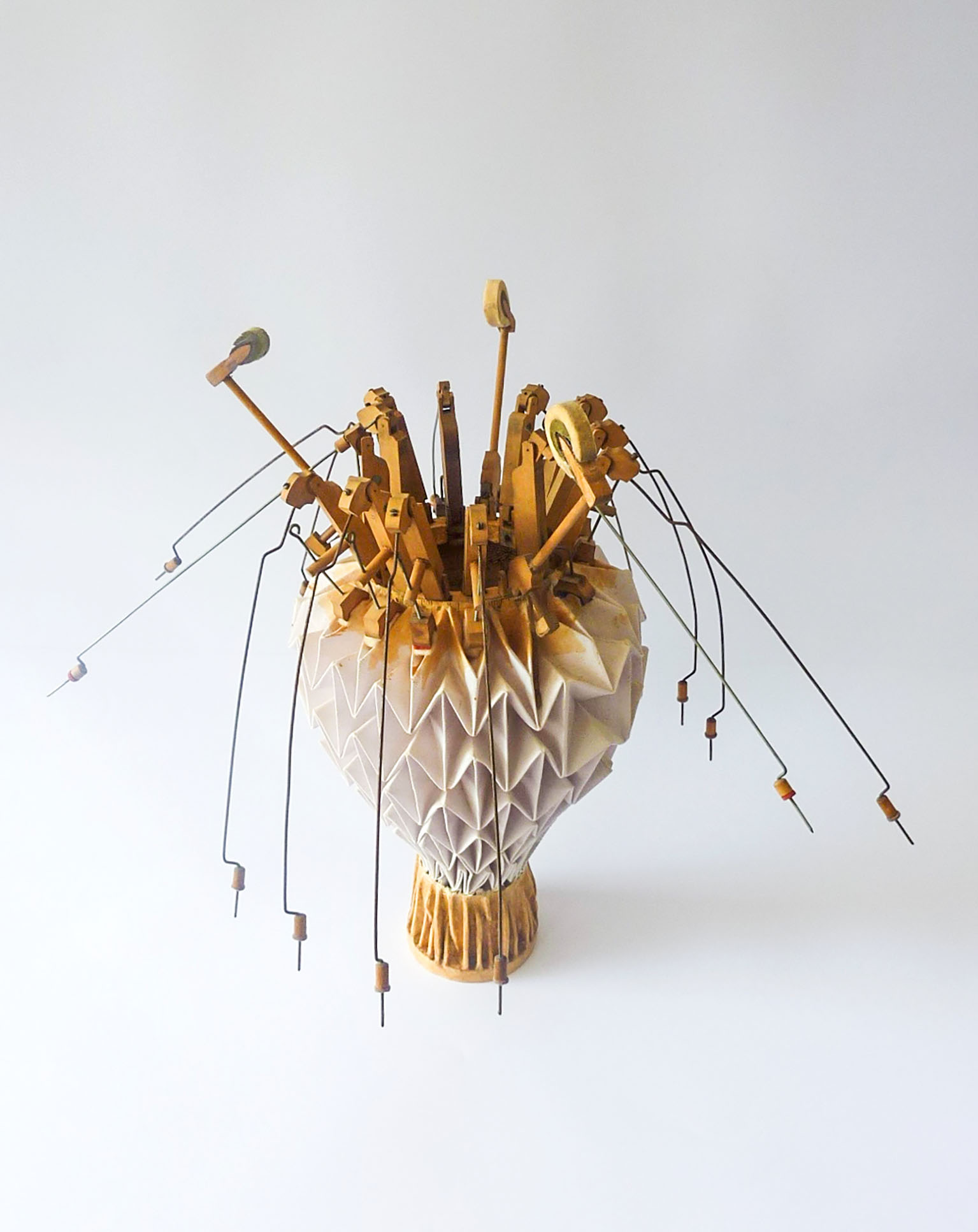
Piano Creature No.6. Piano mechanisms, buckram, paper, cardboard; 50cm x 50cm x 47cm; 2010
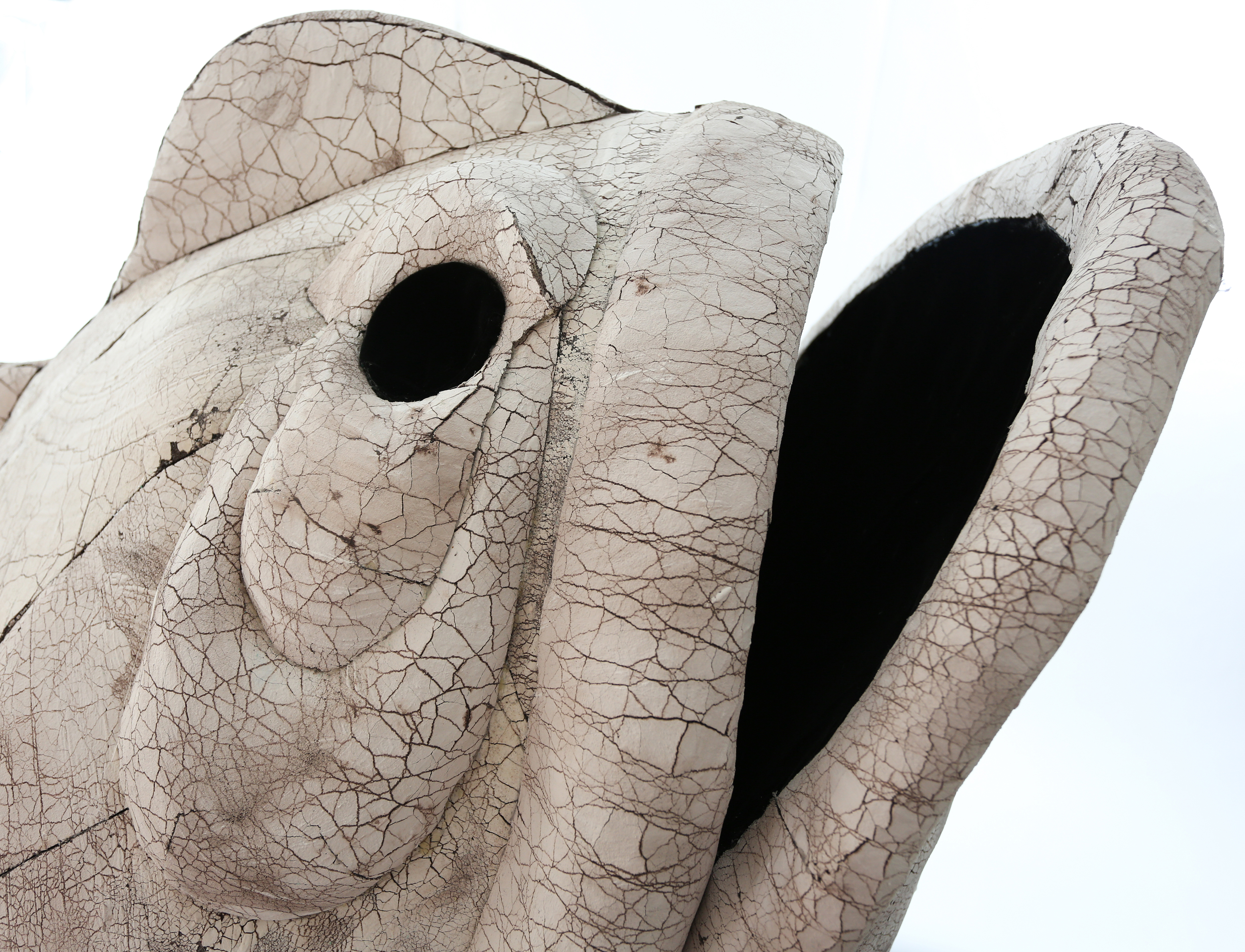
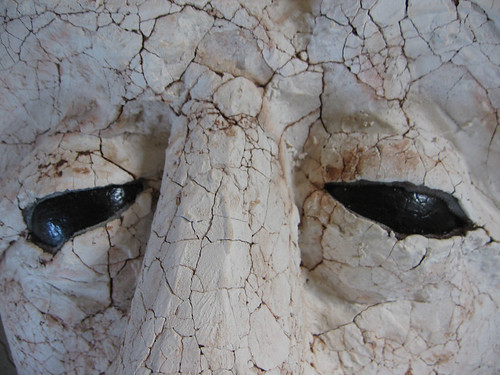
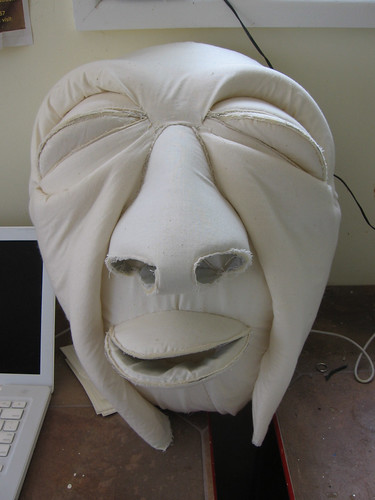
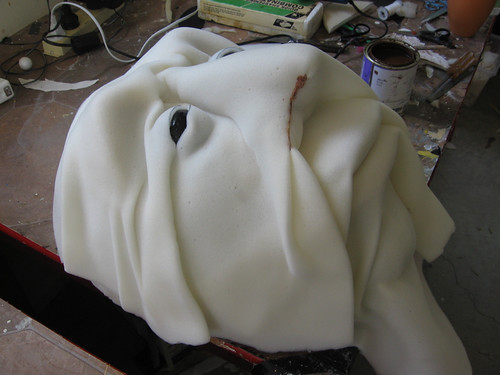
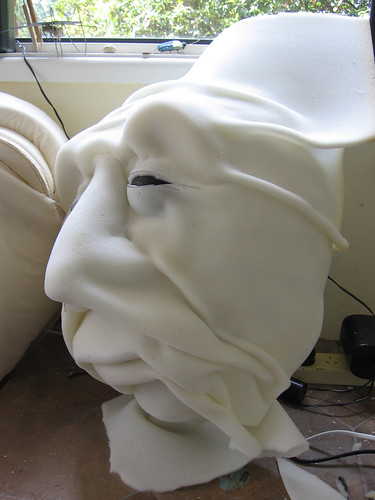
The Big Fish (Evangeline) Head detail. Photograph by Anna Madeleine 2018
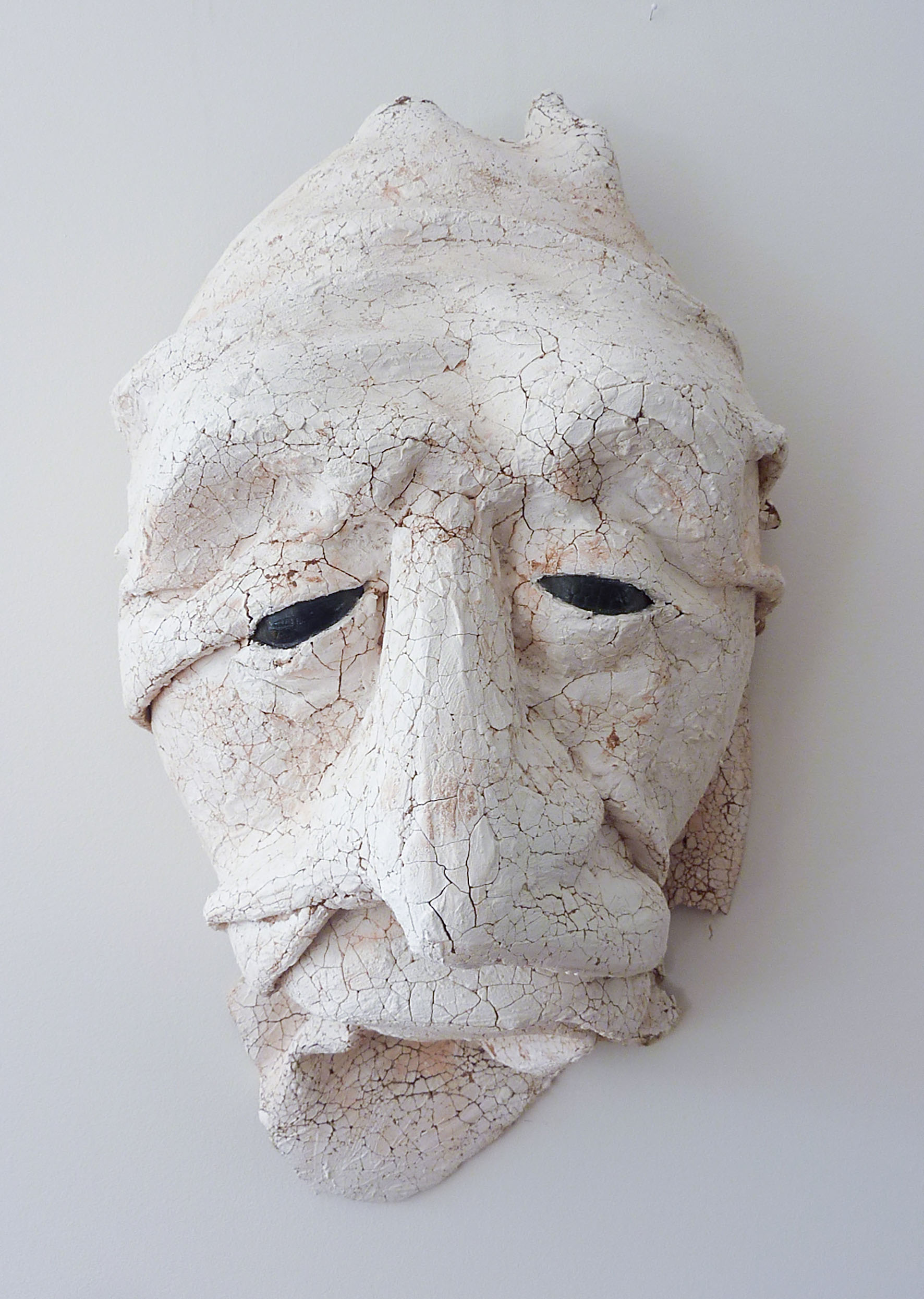
The Burden of Stuff No.1. Plaster, foam sheet, acrylic paint, fabric, styrene, recycled wire frame. 68cm x 40cm x 30cm. 2010
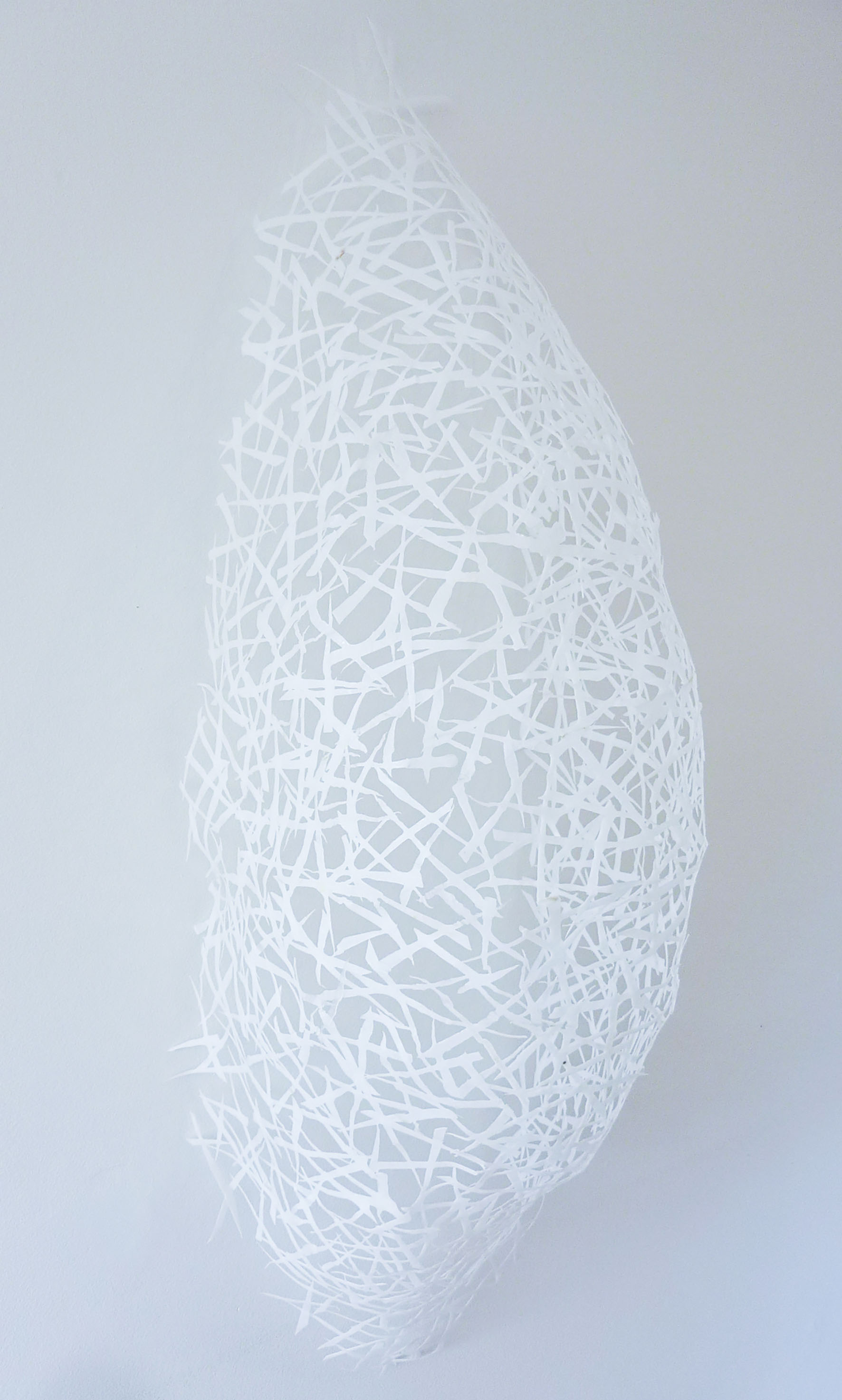
Cocoon No.2, Milk bottle plastic; 120cm x 43cm x 32cm; 2016. Photograph by Lisa Styles
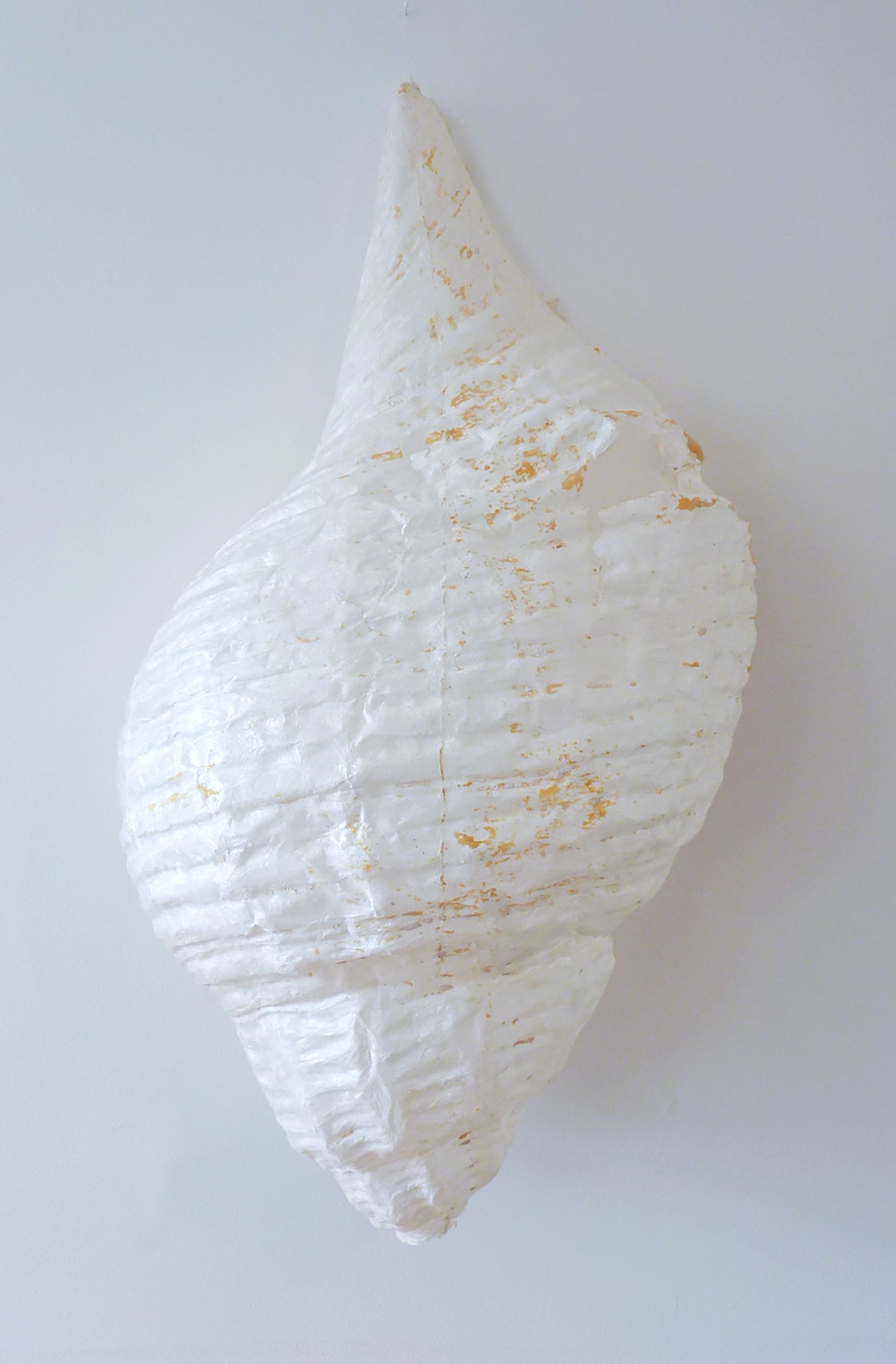
Whelk Shell (Fragility). Tissue paper, plaster 90cm x 50cm x 30cm. 2008
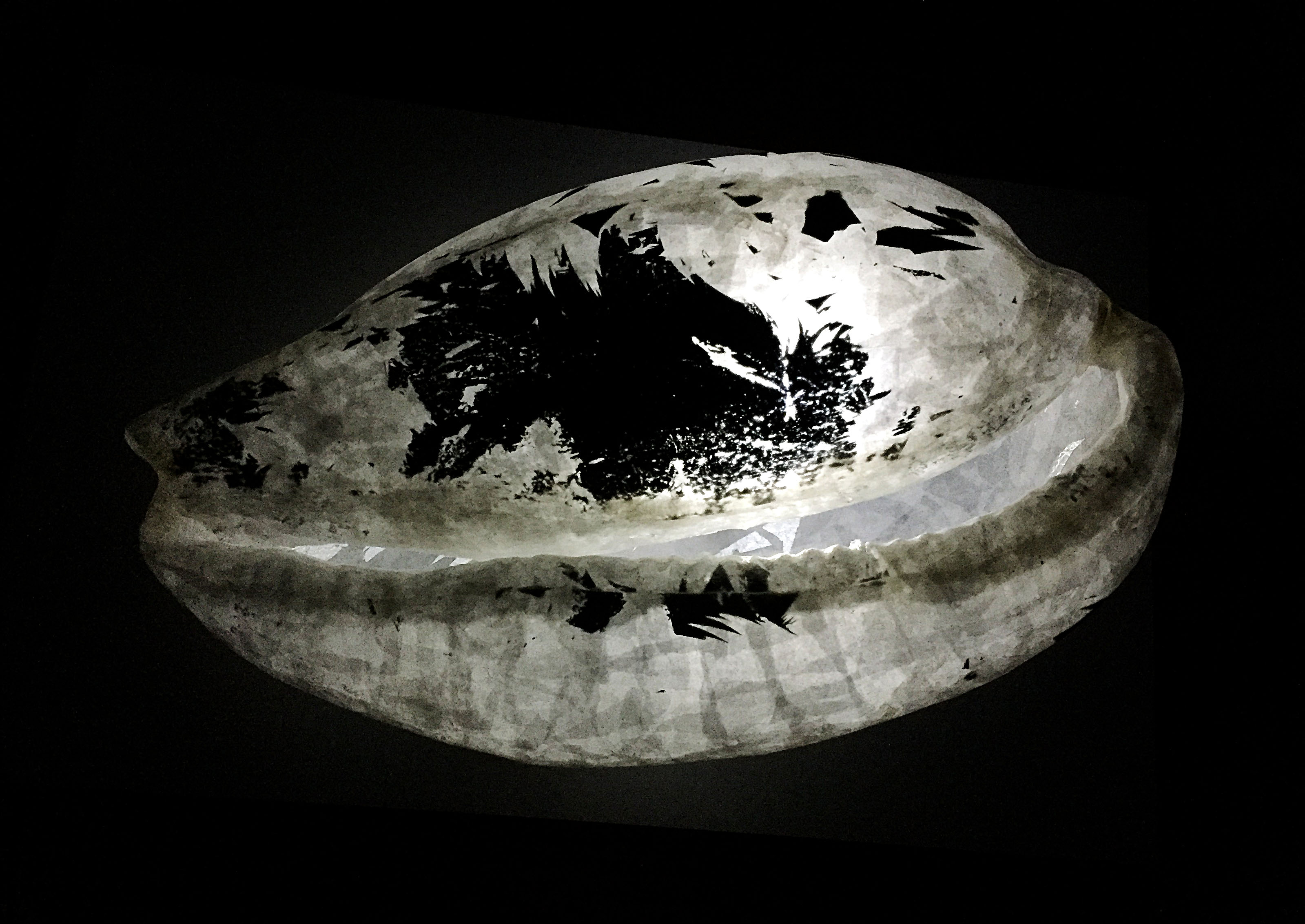
Cowry (Paper Thin). Tissue paper, foil, masking tape; 75cm x 45cm x 30cm. 2017
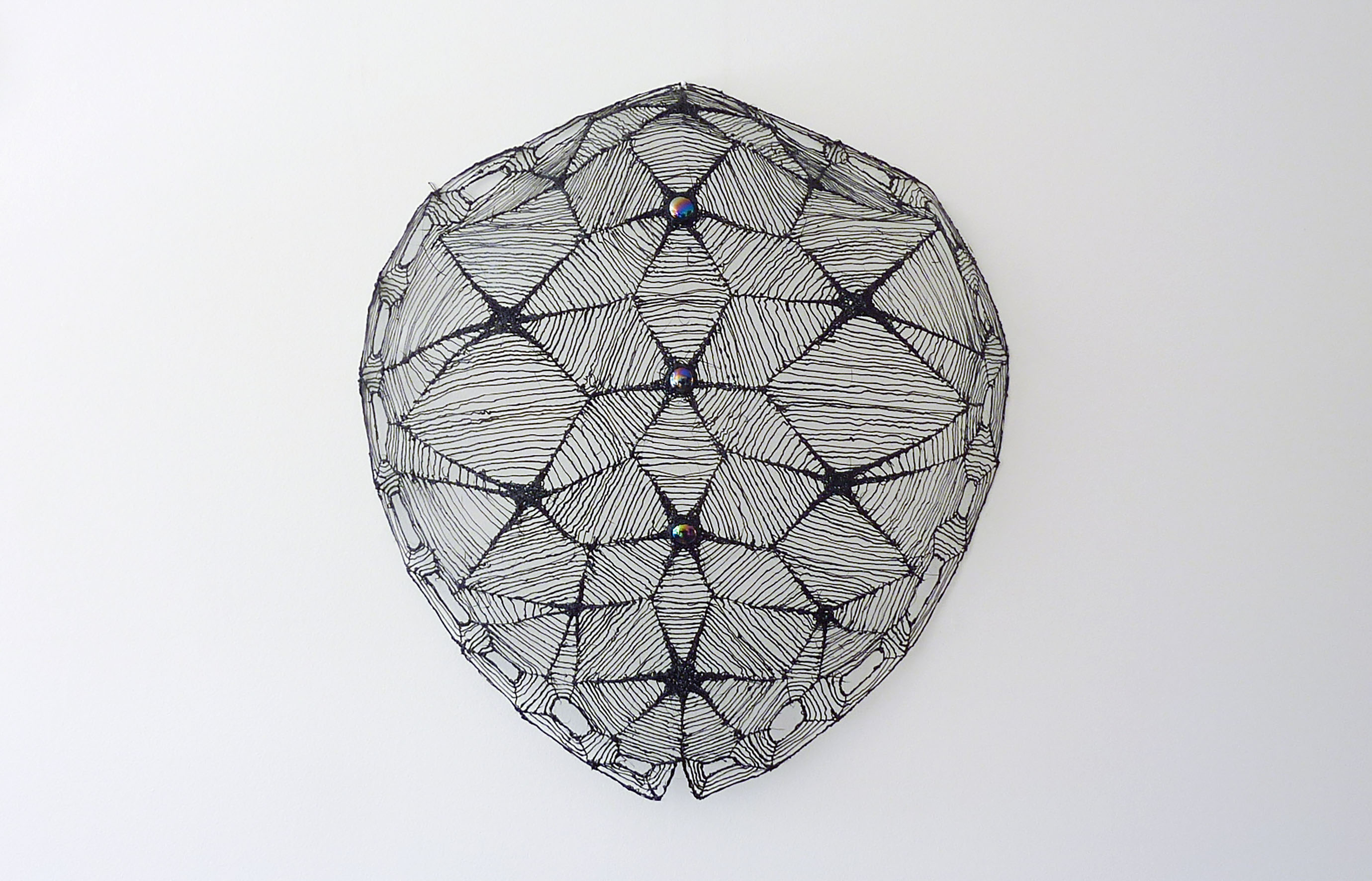
Turtle Shell Sheild (False Promises), PLA plastic filament, wish stones; 60cm x 58cm x 12cm. 2017
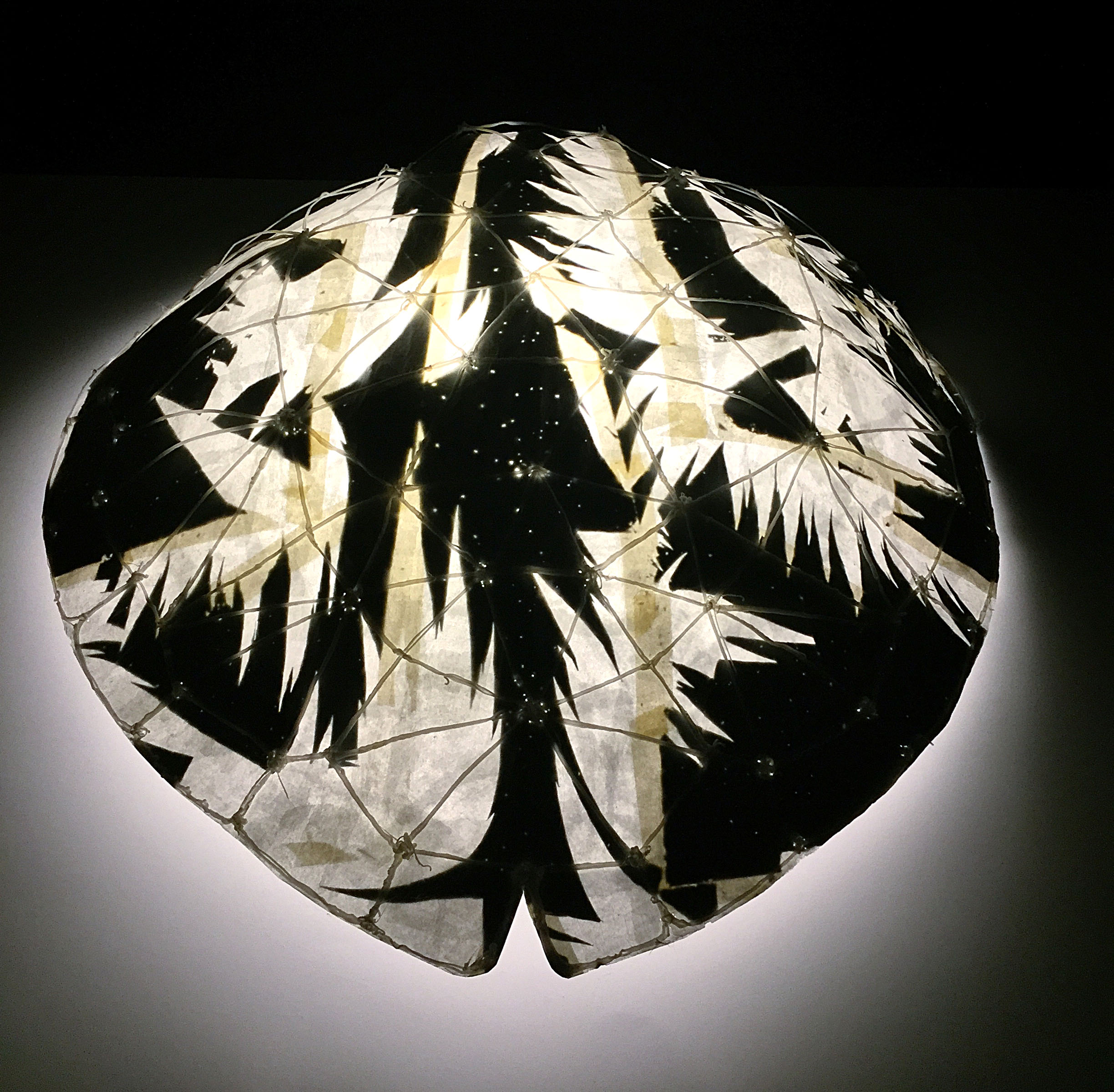
Turtle Shell (Moon and Constellations), PLA plastic filament, tissue paper, foil, masking tape; 57cm x 58cm x 12cm. 2017
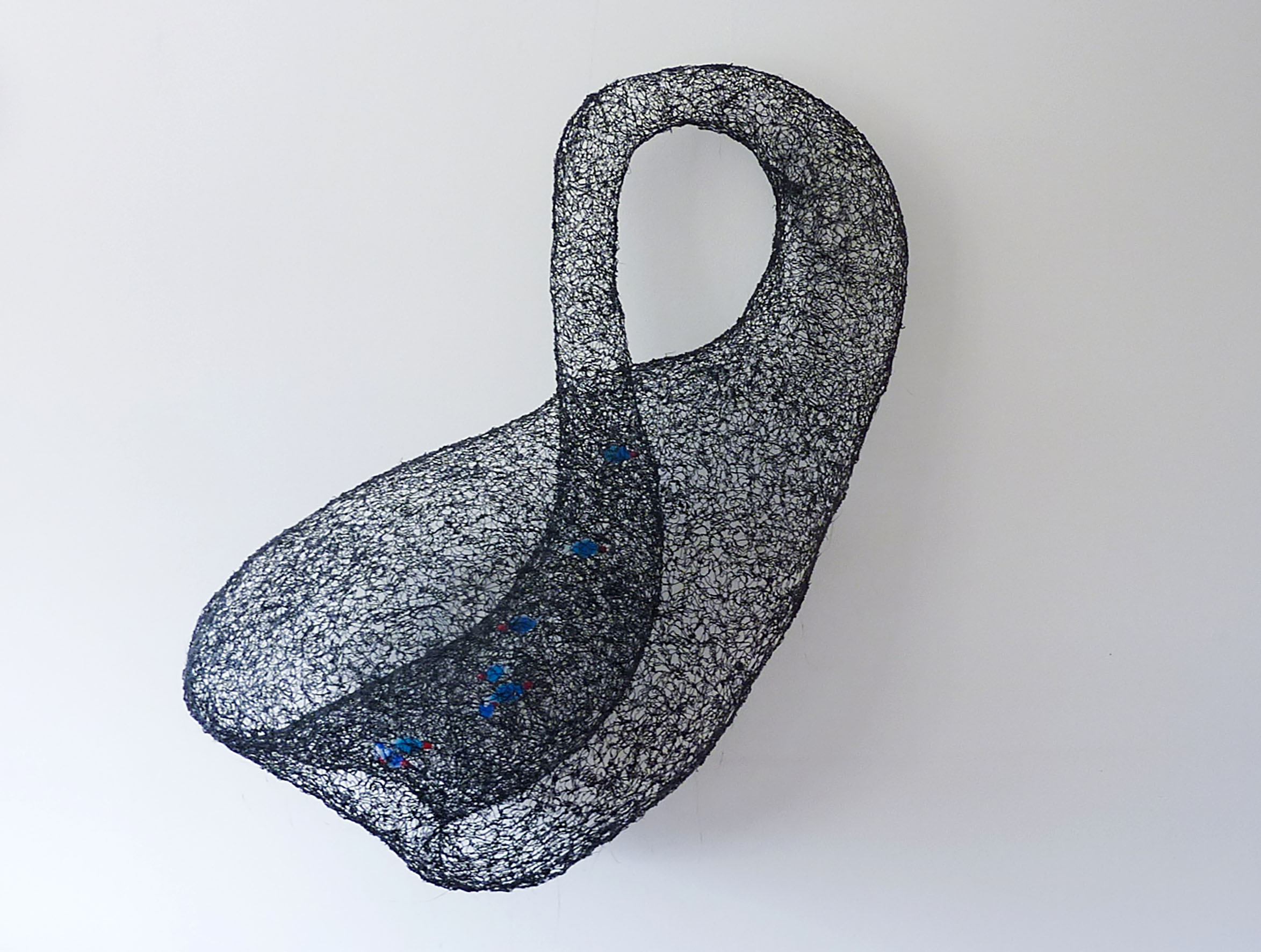
Wonders of the Deep. PLA plastic filament, recycled sushi fish bottles, fishing line 100cm x 50cm x 45cm. 2017
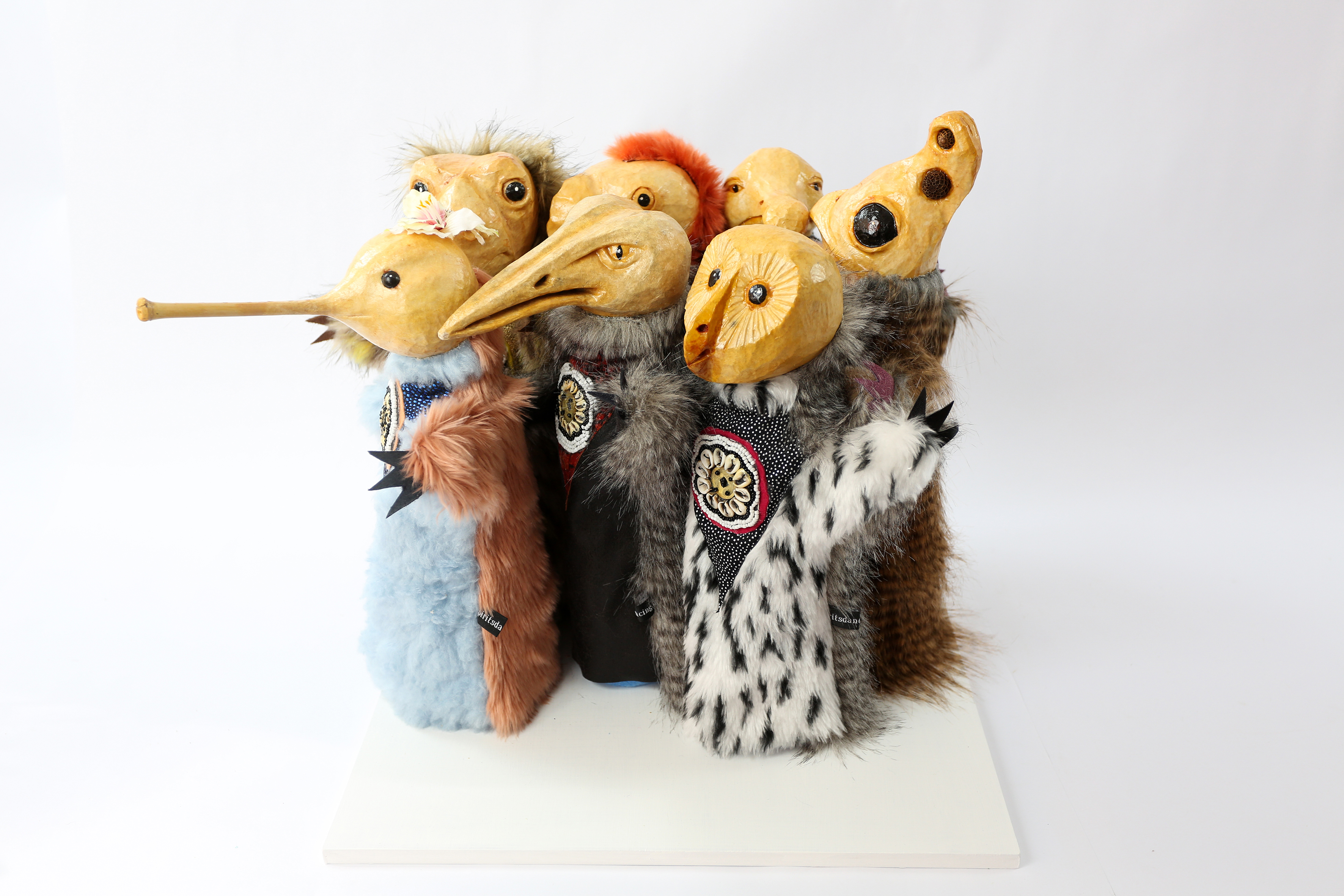
The Secret Cabal of Elders. Hand puppets. Balsa wood, tissue paper mache, fur fabric, reclaimed decorations. 2017